Key Takeaways
- From November 15, 2026, to April 30, 2027, regulated electricity and natural gas distributors can’t disconnect residential customers for non-payment.
- The ban doesn’t erase what you owe. Balances, interest and late payment charges keep adding up through the winter.
- Multi-unit buildings served by unit sub-meter providers are not covered by the OEB ban.
- Customers who fall behind should arrange a payment plan early and check whether they qualify for LEAP or OESP.
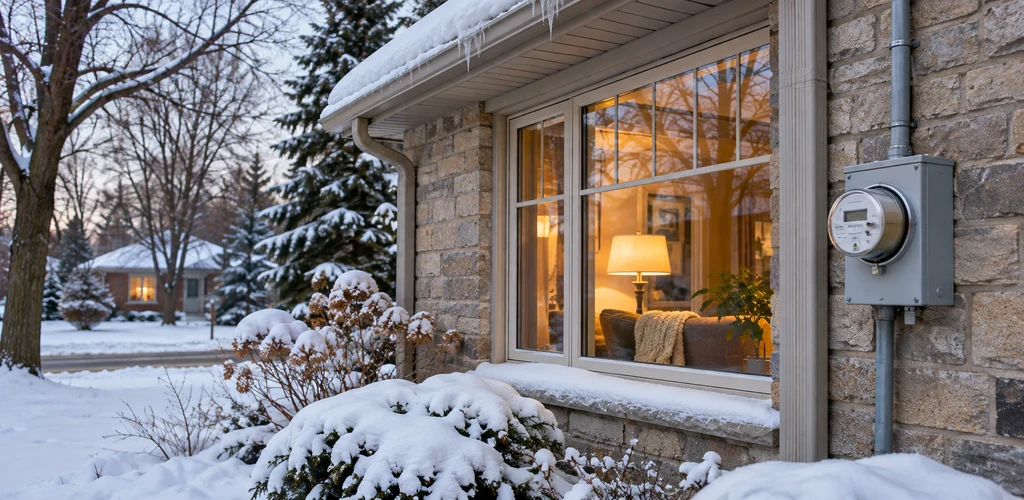
Every winter, the Ontario Energy Board (OEB) puts a pause on disconnections so households aren’t left without heat or power during the coldest months. For 2026–2027, the ban runs from November 15, 2026, through April 30, 2027.
It is an important protection, but it is often misunderstood. Many people assume it freezes their bill or forgives arrears. It does neither. Here is who is protected, what the rules require and what to do if you are behind.
What the Winter Disconnection Ban Does
During the ban period, electricity and natural gas distributors regulated by the OEB cannot disconnect a residential customer for non-payment. The rule applies every year from November 15 to April 30.
The ban only covers disconnection for unpaid bills. A utility can still interrupt service for safety reasons, emergencies or planned maintenance.
Who Is Protected
The ban covers residential customers of:
- Local electricity distributors, such as Alectra, Toronto Hydro, Hydro One and other municipal utilities
- Regulated natural gas distributors serving homes in Ontario
Small businesses and other non-residential accounts are not covered.
The Sub-Metering Gap
If you live in a condo or apartment where electricity is billed through a unit sub-meter provider (USMP), the OEB ban does not apply to your building. Some sub-meter providers follow it voluntarily. For those that don’t, the building owner, landlord, property manager or condo corporation decides on disconnections, and the USMP carries them out.
Since August 2025, sub-meter providers have had to publish their disconnection and reconnection policies. If your bill comes from a USMP, read that policy now so you know where you stand.
What the Ban Does Not Do
This is where many households get caught off guard in May.
- Your balance keeps growing. Unpaid amounts carry forward, including interest.
- Late payment charges still apply. Utilities can keep charging them during the ban.
- Notices can still arrive. You may receive a reminder or disconnection notice dated to take effect on or after May 1.
- Disconnection can resume after April 30. If arrears aren’t dealt with, service can be cut once the ban ends.
In short, stopping payments for the winter can leave you with a much larger bill in the spring.
If You’re Behind on Your Bill
The OEB’s advice is simple: stay in touch with your utility and make a payment arrangement. Distributors must follow a step-by-step process before disconnecting anyone, including sending reminder and disconnection notices.
- Call your utility early. Ask about a payment arrangement that spreads arrears over several months.
- Apply for LEAP. The Low-income Energy Assistance Program provides emergency financial help to eligible customers who are behind and facing disconnection. A local intake agency helps you apply.
- Apply for OESP. The Ontario Electricity Support Program gives eligible lower-income households an ongoing monthly credit on their electricity bill. It is also available to sub-metered customers.
Neither program costs anything to apply for, and neither requires a home inspection.
If Your Service Has Already Been Disconnected
A utility may charge a reconnection fee, but it must offer reasonable payment arrangements if you can’t pay it. Eligible low-income customers don’t have to pay the reconnection fee.
The OEB says a distributor should reconnect service within two business days once the bill is paid in full or a payment arrangement is reached.
Watch Out for Scams
Scammers often pose as utility staff in winter, threatening immediate disconnection unless you pay by gift card or cryptocurrency. Remember that regulated distributors can’t disconnect residential customers for non-payment during the ban, and they must give notice first at any other time. If someone calls or knocks, hang up and contact your utility directly using the number on your bill.
Plan Ahead for Spring
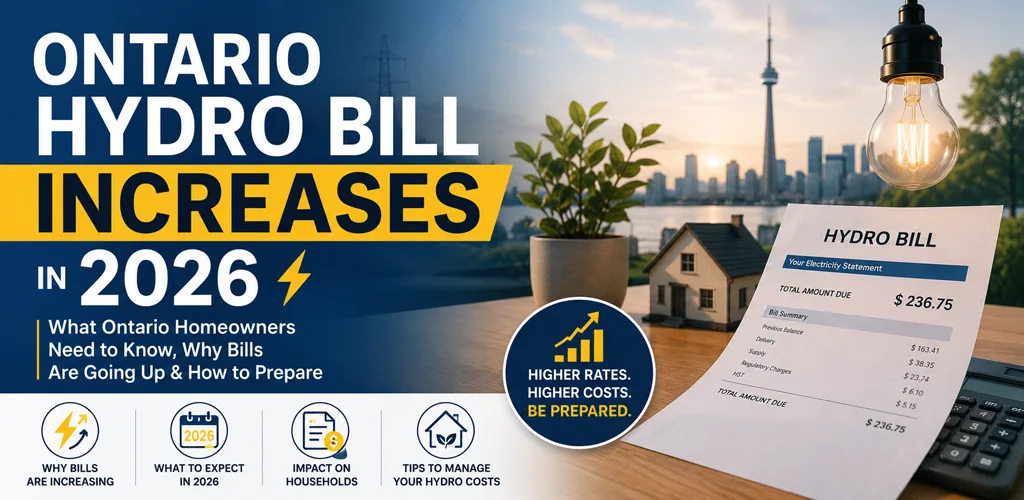
Winter bills are rising for many Ontario households. Prices fell on November 1, but the Ontario Electricity Rebate dropped too, as we explain in what your hydro bill looks like now. Combined with property tax increases, it makes sense to build a budget that covers the full winter.
For full details, see the Ontario Energy Board website or contact your local utility.
* By using ontariolocalguide.ca, you acknowledge and accept the terms of our disclaimer.