Key Takeaways
- Old tree stumps attract destructive pests like carpenter ants, termites, and wood-boring beetles that can spread to your home
- Stumps and their roots can damage lawnmowers, foundations, underground pipes, and walkways over time
- A decaying stump becomes a breeding ground for fungi and diseases that can infect healthy nearby trees
- Tree stumps reduce curb appeal and can lower your property’s resale value, especially in competitive Ontario markets
- Professional stump removal is far more cost-effective than dealing with the long-term damage stumps cause
Why Ontario Homeowners Often Leave Stumps Behind
After a tree comes down, many homeowners assume the hardest part is over. The trunk and branches are gone, the yard looks open again, and the leftover stump seems harmless enough to ignore. It’s a common decision across Ontario, particularly when budgets are tight after a large tree removal job.
The truth is that leaving a stump in place is rarely a money-saver. What looks like a quiet patch of wood in your backyard is actually a slow-moving problem that gets worse with every passing season. From pest infestations to property damage, the costs add up in ways most homeowners don’t anticipate until it’s too late.
Pest Infestations: The Silent Threat
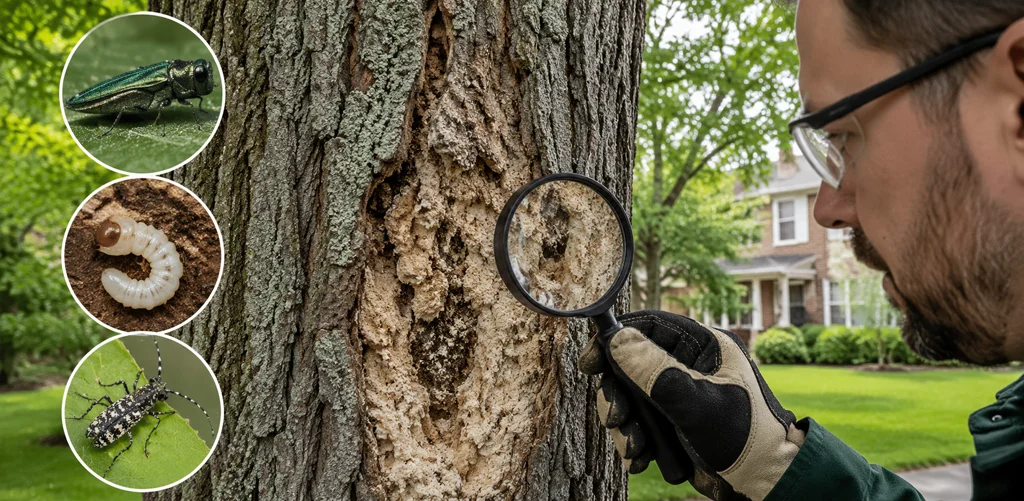
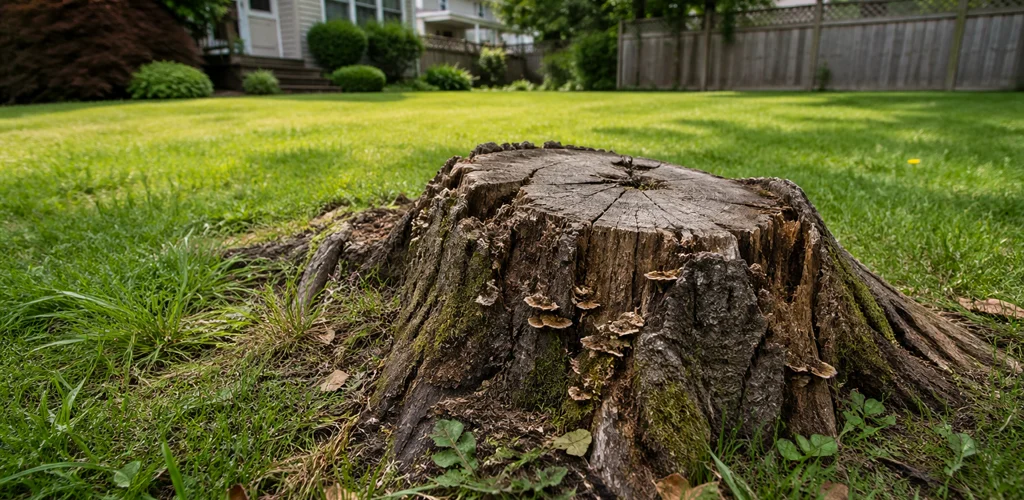
A decaying stump is essentially a five-star hotel for some of Ontario’s most destructive insects. As the wood softens and rots, it becomes the ideal nesting environment for pests that won’t stay confined to the stump for long.
The most common stump-related pest issues include:
- Carpenter ants that tunnel through softened wood and eventually move into nearby decks, sheds, and home framing
- Termites which, while less common in Ontario than in southern regions, are increasingly being reported in the GTA
- Wood-boring beetles that can spread to healthy trees on your property
- Wasps and hornets that often build nests in hollowed-out stump cavities
Once these pests establish a colony, removing them becomes far more expensive than removing the stump would have been in the first place. Pest control treatments, structural repairs, and follow-up inspections can easily run into the thousands.
Property Damage You Won’t See Until Later
Stumps don’t just sit there — they actively cause problems for the surrounding landscape. The root system continues to exist underground long after the tree is cut, and as it decays, it shifts the soil around it.
Homeowners often discover damage in the form of cracked walkways, lifted patio stones, sunken lawn areas, and even compromised drainage systems. Hitting a hidden root with a lawnmower can ruin the blade or damage the engine, leading to costly repairs. In worse cases, decaying roots near foundations or septic lines can cause far more serious structural and plumbing issues.
Disease Spread to Healthy Trees
A stump isn’t a neutral piece of dead wood — it’s an active host for fungi and disease. As decomposition progresses, organisms like honey fungus and Armillaria root rot take hold and can spread through the soil to nearby healthy trees.
This is especially concerning for properties with mature trees, where a single infected stump can compromise the health of an entire backyard ecosystem. If you’ve recently had a tree removed because of disease, leaving the stump only increases the risk of that disease spreading. Our simple guide to tree care and safety in the GTA goes deeper into protecting your urban trees from these kinds of threats.
Regrowth and Persistent Suckering
Many Ontario tree species are surprisingly stubborn. Even after the main trunk is removed, the root system often sends up shoots — known as suckers — that grow into new saplings. Species like maples, willows, and poplars are especially prone to this.
Dealing with suckers means:
- Repeated trimming throughout the growing season
- Chemical treatments that can affect surrounding plants and soil
- Lawn damage from constant disturbance
- The possibility of a full tree regrowing if not consistently controlled
The only permanent solution is removing the root system entirely, which is exactly what professional stump removal services are designed to do.
Curb Appeal and Property Value
In Ontario’s competitive real estate market, curb appeal plays a measurable role in selling price. A well-maintained yard signals to buyers that the home has been cared for. A weathered, rotting stump signals the opposite — that maintenance has been deferred.
Real estate professionals across the GTA consistently point out that visible yard issues, including old stumps, can become bargaining chips during negotiations. Buyers often request price reductions or removal as a condition of sale. If you’re considering selling soon or planning upgrades, our guide on what to know before starting a renovation in Ontario is worth reading alongside this one.
Insurance and Liability Concerns
A neglected stump can also create liability you may not have considered. If a visitor trips over a stump or hidden root and is injured, you could be held responsible. Insurance claims related to yard hazards are not uncommon, and they can affect your premiums for years afterward.
Combined with the broader trend of rising home insurance costs across Ontario, avoiding any preventable claim is more important than ever. Removing a hazardous stump is a small upfront investment that can prevent much larger financial headaches down the road.
The Smart Choice: Professional Stump Removal
While DIY stump removal is technically possible, it’s labour-intensive, often dangerous, and rarely effective on larger root systems. Renting a stump grinder costs hundreds on its own, and most homeowners underestimate how physically demanding the job actually is. Hiring an experienced GTA team like Five Star Tree Services ensures the job is done safely, completely, and without damage to your surrounding landscape.
A professional stump removal typically takes just a few hours and addresses the entire root system, eliminating regrowth, pest risks, and disease vectors in one go. When you weigh the upfront cost against the years of potential damage and hassle, the math becomes clear — removing the stump is almost always the cheaper choice in the long run.
* By using ontariolocalguide.ca, you acknowledge and accept the terms of our disclaimer.